
가상의 세계, 온라인 카지노 세상에 오신 것을 환영합니다. 코로나19 창궐 이후 비대면 시장이 커지면서 온라인 카지노 시장도 커지고 있습니다. 본 사이트는 이제 막 입문한 초보자도 쉽게 이해할 수 있도록 다양한 카지노 게임 및 카지노 사이트 비교, 분석을 통해 플레이어가 믿고 안전하게 게임을 즐길 수 있도록 가이드 역할을 합니다.
온라인상에는 수많은 카지노 사이트들이 있습니다. 플레이어 개인이 각각의 카지노 사이트에 대한 안전성과 신뢰성을 확인하기에는 무리가 있습니다. 따라서 신뢰할 수 있는 온라인 카지노를 선택하는 것이 중요합니다. 수많은 사이트들 중 신뢰성이 높고 안전한 사이트에 대한 분석과 비교가 필요합니다.
개인이 일일이 확인할 수 없는 온라인 카지노 사이트를 본 사이트의 운영진 및 업계에서 오랜 경력을 쌓아온 전문가들이 비교, 분석한 사항을 공개함으로써 플레이어들이 믿고 게임을 즐길 수 있도록 나침반 역할을 하겠습니다.
본 사이트를 통해 안전하고 즐거운 경험을 하시기 바랍니다.
카지노 사이트 TOP8 (2026년 업데이트)








1. 카지노 사이트란?

1.1 정의 및 개념
본 사이트는 구글, 네이버와 같은 온라인 카지노 종합 검색 포털 플랫폼을 지향합니다. 온라인 카지노 사이트에서 플레이어들이 바카라, 블랙잭, 룰렛, 포커, 슬롯머신 게임 등 다양한 종류의 게임을 즐길 수 있도록 디자인되었습니다.
1.2 오프라인 카지노와의 차이점 및 주요 특징
오프라인 카지노와는 다음과 같은 점에서 다양한 차이점과 특징이 있습니다.
- 라이브 게임 서비스 제공으로 시간적 한계가 없는 점
- 물리적 이동 없이 손끝 하나로 접속가능한 접근성으로 인해 장소에 제약을 받지 않는 점
- 플레이어 개인의 프라이버시를 보호하는 높은 익명성 시스템
- 일반 오프라인 카지노에서는 볼 수 없는 화려하고 다양한 종류의 테이블 게임과 머신 게임 테마
- 플레이어가 만족할 만한 이벤트, 보너스, 프로모션
- 고객을 위한 리워드 시스템
- 고객이 믿고 게임할 수 있는 고도의 보안 시스템 구축
- 안전하고 편리한 입금. 송금, 지불 시스템
1.3 인기 증가 이유
포스트 코로나 시대 온라인 카지노는 24시간 365일 언제 어디서나 접속이 가능한 모바일 기기의 발전과 컴퓨터의 발전으로 인해 편리한 접근성, 낮은 진입장벽, 다양한 종류의 게임, 보너스 및 프로모션, 안전한 결제시스템, 국경을 초월하는 글로벌 이용자의 증가, 높은 보안 시스템, 공정한 게임 운영방식 및 시스템, 기술발전 등의 이유로 인기가 증가하고 있습니다.
2. 안전한 카지노 사이트 선택 방법
2.1 라이선스 확인
온라인 카지노 산업의 발전과 더불어 각종 사기 및 피해 사례가 증가하고 있습니다. 따라서 플레이어는 반드시 게임 전 이용하고자 하는 온라인 카지노 사이트가 정식으로 해당 관할 구역 또는 국가로부터 정식 라이선스를 받았는지 해당 라이센스의 유효기간이 영구적이거나 기간이 만료되지는 않았는지를 관할 규제기관으로부터 확인해야 됩니다.
2.2 국제 규제 기관 소개
게임을 하기 전 믿고 게임을 할 수 있는 사이트인지 합법적인 사이트인지 확인해야 합니다. 따라서 각 국가에서는 신뢰성을 높이고자 오프라인 카지노와 마찬가지로 온라인 카지노도 라이센스 제도로 운영을 하고 있습니다. 따라서 관할 기관으로부터 라이센스를 받고 등록된 업체는 합법적인 업체로 간주되며 정부의 관리 감독하에 건전하고 투명하게 운영되고 있습니다.
대표적인 규제기관은 다음과 같습니다.
- 영국 겜블링위원회(UKGC)
영국 겜블링 위원회는 Gaming Act 1968에 의해 설립된 Gambling Board for Great Britain에서 2005년에 제정된 Gambling Act 2005에 따라 겜블링위원회 (Gambling Commission) 설치 근거를 마련하여 2005년에 설립된 독립기관으로 문화미디어체육부(Department of Culture, Media and Sport)로부터 지원을 받은 비행정 부서였으나 기금확보 후 중앙정부의 독립기관으로 영국내 모든 사행산업관련 업무를 담당하고 있으며 카지노 정책 및 카지노 산업 업무를 포함하고 있습니다.
영국 겜블링 위원회에서도 랜드 베이스 카지노(오프 라인 카지노) 외 온라인 카지노 라이센스도 발급하고 있으며 카지노 운영에 대해서 관리 감독을 철저히 하고 있습니다. 따라서 영국 겜블링 위원회(UKGC) 온라인 카지노 라이센스를 보유한 온라인 카지노 사이트는 신뢰성를 인정받음과 동시에 플레이어들이 믿고 안전하게 게임을 할 수 있는 카지노 사이트라는 것을 의미합니다. - 네바다 게이밍 컨트롤 보드(NGCB)
1955년도에 설립된 네바다 게이밍 컨트롤 보드는 네바다 주정부, 주지사 직속 기관으로 카지노규제법(CCA, Casino Control Act) 게이밍, 랜드 베이스(오프라인) 카지노, 온라인 카지노(포커 중심) 산업에 대한 카지노 관련 규제 제정, 인허가, 회계보고서 제출 등 카지노 업체의 투명한 운영 감독하는 기관이다. 현재 미국 대다수의 주에서 코로나 사태 이후 온라인 카지노가 대부분 합법화되고 있는 가운데 미국 전체 카지노 시장의 1위인 네바다주도 포커를 시작으로 온라인 카지노를 합법화 시키는 작업을 진행중에 있다. - MGA (Malta Gaming Authority, 몰타 게이밍 규제청)
몰타 정부가 운영하는 카지노 관리감독 기관으로 2001년도에 설립되었으며 스포츠 베팅, 카지노 게임, 온라인 카지노 등에 대한 인허가 및 관리 감독을 합니다. 특히 온라인 카지노 라이센스를 취득하기 위해서 정부가 요구하는 조건에 맞춰야 하는 심사 기준을 통과해야 온라인 카지노를 운영할 수 있습니다. 또한, 정기적인 감사를 통해 건전하고 투명하게 카지노가 운영되도록 정부에서 관리를 철저히 하고 있습니다.
2.3 라이센스 확인의 중요성
국제적인 카지노 관리감독 기관에서 발급한 라이센스는 카지노 사이트의 합법성과 안전성을 증명하는 중요한 부분입니다. 이러한 라이센스 확인을 통해 플레이어들은 보다 신뢰할 수 있는 온라인 카지노 사이트를 선택할 수 있으며, 먹튀 등 사기 피해를 미연에 방지할 수 있습니다.
2.4 안전한 카지노 사이트 고르는 팁
- 온라인 카지노 사이트 하단이나 회사소개에 규제 기관 로고 또는 카지노 라이센스 번호가 있는지 확인해야 합니다.
- 1번을 확인한 후 관련 규제 기관의 공식 웹사이트에서 카지노 라이센스 유효성을 확인해야 됩니다.
- 가급적이면 카지노 라이센스가 없는 사이트는 이용을 피해야 합니다.
- 각국의 카지노 규제 기관으로부터 정식으로 허가를 받은 온라인 카지노 사이트는 플레이어들에게 건전하고 투명한 게임 환경과 안전한 결제 시스템을 제공하므로, 온라인 카지노 사이트를 선택할 때 정부기관으로부터 라이센스 획득 유무를 반드시 확인해야 됩니다.
2.5 사용자 리뷰 및 평판
사용자의 리뷰와 평판은 온라인 카지노를 직접 경험해보지 못한 플레이어에게는 매우 중요합니다. 따라서 리뷰와 평판을 통해 플레이어가 해당 온라인 카지노에 대한 판단을 객관적으로 할 수 있도록 돕겠습니다.
2.6 리뷰 사이트 활용 방법
온라인 카지노의 평판을 조회하기위해 리뷰사이트를 참고하는 것이 온라인 카지노를 선택하기전에 중요합니다.
온라인 카지노 사이트의 적정성을 판단하기 위해서는 검증된 리뷰 사이트를 활용하는 것이 효과적입니다. 리뷰 사이트에서는 경험이 있는 플레이어들의 객관적인 평가와 카지노 산업에서 경력이 풍부한 전문가들의 분석을 통해 안전성과 건전성을 평가해줍니다.
2.7 카지노 커뮤니티 평판 확인
온라인 카지노 커뮤니티에 참여하여 특정 온라인 카지노 사이트에 대한 평가를 확인할 수 있습니다. 커뮤니티에서 먹튀사례 등 사용자들이 겪은 문제나 불편사항을 파악하고 부정적 리뷰가 다수 발견된다면 해당 사이트 방문을 자제해야 합니다.
2.8 보안 및 개인정보 보호
온라인 카지노 사이트가 해커로부터 해킹을 당한 위협이나 사례가 없는지 등 보안 시스템이 잘 구축되어 있는지 플레이어 개인 정보관리 및 개인정보 유출 사례가 없는지 등 정보보안 시스템은 매우 중요합니다.
2.8.1 SSL 암호화 기술
안전한 카지노 사이트는 플레이어의 개인정보와 결제정보를 보호하기위해 SSL 암호화 기술을 적용합니다.
- SSL(Secure Sockets Layer: 보안 소켓 계층) 인증서: 모든 데이터가 사용자와 서버간에 전송될 때 해커가 보안 방화벽을 뚫고 민감한 정보를 해킹하여 가로채는 것을 방지합니다.
2.8.2 다양한 결제 플랫폼 구축
신뢰할 수 있는 온라인 카지노는 다양한 결제 플랫폼 구축을 통해 플레이어의 편의성을 극대화합니다. 제공되는 결제 플랫폼은 다음과 같습니다.
- 모바일 결제 및 은행송금 서비스: 은행 송금 및 모바일 결제 시스템을 통한 안전하고 신뢰할 수 있는 거래지원
- 직불카드 및 신용카드: MasterCard, VISA, Union Pay 등 글로벌 카드 결제 시스템 지원
- 가상자산(스테이블 코인): 가치 변동이 미국 달러에 연동되어 있어 거의 변화가 없는 스테이블 코인인 USDT, USDC 등을 결제 시스템으로 지원
- 전자지갑: 페이팔(PayPal)과 같은 전자지갑 서비스 제공을 통한 안전한 결제지원
2.8.3 신속하고 투명한 결제
자금의 이동은 민감하고 중요한 사안으로 명확한 입출금 가이드 라인을 바탕으로 신속하고 투명하게 처리할 수 있는 결제 시스템이 구축되어 있어야 합니다.
- 신뢰할 수 있는 온라인 카지노는 빠른 입출금 서비스를 지원합니다.
- 신뢰할 수 있는 온라인 카지노는 입출금 처리 시간, 수수료, 출금 한도 등 명확한 정책을 갖고 있음으로써 플레이어에게 불이익이 발생하지 않도록 합니다.
- 플레이어가 사이트에서 실시간으로 출금 기록과 결제 내역을 확인할 수 있도록 투명해야 합니다.
3. 먹튀 사이트를 피하는 방법
먹튀 사이트! 온라인 카지노를 이용하는 플레이어라면 사기사이트로 인한 피해를 사전에 예방하는 것이 중요합니다. 먹튀 사이트는 과대 광고와 허위 정보로 플레이어를 유치하고 비정상적인 결제와 출금 지연 등 출금을 방해하는 방식으로 고객의 돈을 갈취하는 사이트입니다. 이와 같은 피해를 방지하기위해 다음과 같이 몇 가지 중요한 사항들을 확인해야 합니다.
3.1 허위 라이선스 또는 라이선스 부재
안전하게 믿고 게임을 할 수 있는 합법적인 온라인 카지노는 관할당국으로부터 라이선스를 취득하고 규제기관의 정기적인 관리 감독하에 엄격하게 운영되어지고 있습니다. 따라서 이용하고자 하는 온라인 카지노의 라이선스 획득 여부를 확인할 필요가 있습니다.
확인 방법은 보통 온라인 카지노 웹사이트 하단이나 사이트 소개 페이지에 정부기관으로부터 온라인 카지노 라이선스를 받아 합법적으로 운영하고 있다고 명시하고 있으니 라이선스 취득 여부를 확인하시기 바랍니다. 만약 라이선스에 대한 언급이 없거나 조금이라도 의심스럽다면 해당 사이트는 피해야 합니다.
3.2 비정상적으로 높은 보너스
지나치게 과도한 보너스를 플레이어에게 제공하는 카지노 사이트는 의심해야 됩니다. 예를 들어, 첫 입금 보너스 또는 첫 플레이 보너스로 수백 % 이상을 제공한다고 프로모션 하는 경우는 사기일 가능성이 높으니 주의가 필요합니다.
따라서 합법적인 타 카지노 온라인 사이트와 비교하여 비슷한지 확인해 볼 필요가 있으며 웹사이트에 관련 정책이 명시되어 있다면 보너스 관련 정책을 확인해 볼 필요가 있습니다.
3.3 수상한 도메인 및 디자인
대부분의 먹튀 사이트는 부실한 웹사이트 디자인을 사용하고 있고 사이트명과 도메인명이 상이한 경우, 도메인이 자주 바뀌는 경우 의심해볼 필요가 있습니다.
도메인의 등록 기간이 1년 ~ 2년 이상인 경우, 정부기관으로부터 라이선스를 받았음을 명시한 경우는 신뢰할만한 사이트라고 봐도 될 것 같습니다.
3.4 먹튀검증 사이트 및 커뮤니티 조사
믿을 수 있는 리뷰 사이트나 온라인 카지노 커뮤니티를 활용하면 사기 사이트를 빠르게 확인할 수 있습니다. 구글에서 ‘먹튀 검증’이나 ‘사기 사이트 검증’이라는 키워드로 검색하면 사기 사이트에 대한 검증을 해주거나 카지노 이용자들이 사이트 이용 후 경험담을 리뷰형태로 남겨놓은 사이트나 커뮤니티를 찾을 수 있습니다. 이용하고자 하는 사이트에 대한 평판이나 부정적 리뷰가 다수 존재한다면 이용하고자 하는 사이트로부터 사기를 당하는 것을 사전에 예방할 수 있습니다.
3.5 안전한 사이트를 고르는 팁
신뢰할만한 카지노 사이트를 고르기 위해서는 앞서 언급한 SSL 암호화 기술로 이용자의 데이터가 암호화되어 안전하게 보호받을 수 있는지, 결제시스템의 무결성이 검증된 곳인지, 에볼루션(Evolution), 마이크로게이밍(Microgaming) 등과 같은 신뢰할 만한 유명 온라인 카지노 업체인지, 고객 지원 서비스가 상시 지원 가능한 사이트인지를 확인하면 됩니다.
4. 인기 카지노 게임 소개
4.1 라이브 카지노
리얼타임 스트리밍을 통해 플레이어와 딜러가 게임을 하는 방식으로 오프라인 카지노와 온라인 카지노가 영상을 송출하여 게임을 진행하는 방식입니다. 온라인 카지노의 발전과 함께 유행한 라이브 카지노는 카지노의 현장감을 어느곳에서나 느낄 수 있습니다.
4.1.1 라이브 딜러 게임의 장점
라이브 딜러 게임은 온라인 슬롯게임이나 RNG기반의 게임과는 달리 실제 딜러가 게임 진행을 통해 플레이어가 온라인 카지노에서의 신뢰성과 재미를 동시에 느낄 수 있습니다.
- 현장감 있는 라이브 게임
라이브 카지노는 실시간 영상 송출 시스템을 통해 실제 카지노에 있는 테이블에서 게임을 하는 것과 같은 현장감과 몰입감을 느낄 수 있습니다. - 공정성
라이브 딜러 게임은 사람이 직접 게임을 진행하기 때문에 RNG기반의 온라인 카지노 게임과는 다르게 게임의 진행이 공정하고 투명하게 진행되어 신뢰성이 높습니다. - 다양한 게임 제공
라이브 카지노는 바카라, 블랙잭, 룰렛 등 전통적인 테이블 게임과 그 밖의 다양한 변형 게임도 즐길 수 있습니다. 또한 베팅 옵션과 게임 진행 속도를 플레이어가 직접 선택할 수 있어 고객이 원하는 대로 게임을 즐길 수 있습니다.
4.1.2 인기 있는 라이브 카지노 제공 업체
다음은 전 세계적으로 인정받는 주요 라이브 카지노 게임 제공 업체입니다.
- 에볼루션 카지노 (Evolution Gaming)
세계 1위 라이브 카지노 업체로, 뛰어난 기술력과 혁신적인 게임 라인업을 제공합니다.
주요 게임: 라이브 바카라, 블랙잭, 룰렛, 모노폴리 라이브, 드림캐쳐, 등
특징: 고화질 스트리밍과 전문 라이브 딜러 - 마이크로 게이밍 (Microgaming)
온라인 카지노 업계에서 전통을 자랑하는 업체로, 뛰어난 품질의 라이브 게임을 제공합니다.
주요 게임: 라이브 룰렛, 블랙잭, 바카라 등
특징: 안정적인 스트리밍과 사용자 친화적인 기능
4.2 바카라
바카라 게임은 국제적으로 정해진 게임 룰에 의하여 진행되는 카드게임으로 카드 숫자의 합이 나인이 최고로 높은 숫자이며 플레이어와 뱅커 그리고 타이로 총 3개의 베팅 사이드가 있어 플레이어는 어느 한쪽을 선택하여 베팅할 수 있다.
딜러가 처음에 2장의 카드를 플레이어나 뱅커에 베팅한 플레이어에게 각각 나누어주거나 오픈하고 바카라게임 룰에 의하여 게임을 진행하며 나중에 숫자의 합을 비교하여 9에 가까운 쪽이 이기는 게임이다.
4.2.1 기본규칙
- 플레이어(고객)는 플레이어와 뱅커 중 어느 쪽이 이길지를 예상하여 베팅을 합니다. 비길 것을 예상하여 타이(Tie)에 함께 베팅하기도 합니다.
- 베팅은 카지노가 정한 리미트 즉, 베팅이 가능한 최저 금액과 최고 금액으로 리미트(Limit) 범위 내에서 하시면 됩니다.
- 딜러가 드로잉 룰에 따라 플레이어(PLAYER)와 뱅커(BANKER)에 카드를 드로잉하여 플레이어와 뱅커 중 숫자 9에 가까운 쪽이 이깁니다.
- 플레이어와 뱅커의 각 2장 또는 3장의 합으로 게임 승패가 결정됩니다.
4.2.2 배당
이긴 쪽에 베팅 된 금액은 플레이어에게 지급하고, 진 쪽에 베팅 된 금액은 하우스가 가져갑니다. 플레이어가 이기게 될 경우 베팅한 금액만큼 100% 페이하고, 뱅커가 이기게 될 경우 5%의 커미션을 공제하고 95%만 지급합니다.
만약 비길 경우 타이(Tie에) 베팅한 고객에게 베팅 금액의 8배를 주며 원금은 하우스가 가져가지 않습니다.
4.2.3 순위
- NATURAL
가장 높은 순위는 내추럴(Natural)입니다. 플레이어나 뱅커 중 어느 쪽이든 두 장의 합이 9 또는 8 이면 4장으로 게임은 종료가 됩니다. - STAND ON
플레이어가 갖고 있는 카드 두 장의 합이 7 또는 6일 때, 뱅커 두 장의 합이 7일 때 스탠드(Stand)인데, 어느 쪽이든 스탠드일 경우 더 이상 카드를 받지 않고 스탠드 합니다.
양쪽이 전부 스탠드일 때 추가로 카드 드로잉 없이 4장 또는 5장의 카드로 게임 종료됩니다. - NOTHING
플레이어, 뱅커 모두 스탠드 보다 낮을 경우 플레이어(고객)가 먼저 한 장을 받는데, 이때 나온 플레이어 카드의 합에 따라 게임이 종료되기도 하고, 뱅커 카드를 한 장 더 받고 종료되기도 합니다.
(다섯 장 혹은 여섯 장으로 종료)
4.2.4 바카라 게임 옵션
- 커미션 / 노 커미션(Commission / No commission)
커미션 : 뱅커가 이길 경우 뱅커 베팅 금액의 5%의 커미션(수수료)를 제외하고 지급하는 방식입니다.
노 커미션 : 뱅커가 6으로 이겼을 경우에만 뱅커 베팅 금액의 50%만 지급하고, 그 외의 경우에는 커미션을 제외하지 않는 방식입니다. - 노스퀴즈 / 올카드스퀴즈(No squeeze / All card squeeze)
스퀴즈 테이블은 자신이 베팅한 쪽의 카드를 직접 볼 수 있게 해주는 테이블로 한층 더 재미를 느끼실 수 있는 옵션입니다. - 리미트(Limit)
테이블 마다 베팅이 가능한 최저액과 최대액이 정해져 있는 것을 말한다. - 페어 벳(Pair bet)
플레이어 또는 뱅커 사이드에 최초로 드로잉 된 2장의 카드(Initial two cards)가 같을 경우 (One Pair), 페어 벳 베팅을 한 고객에게 11배를 지급합니다.
페어 벳 베팅을 했는데 페어가 없는 경우에는 페어 벳 베팅금을 수거하며, 페어벳은 플레이어 페어 벳, 뱅커 페어 벳으로 나뉘어져 있어 원하시는 쪽에 베팅하실 수 있습니다.
※ 5장의 카드로 승부가 결정되는 경우
(1) 플레이어나 뱅커 둘중에 어느 한 쪽이 스탠드 온이 나오고 다른 한 쪽의 두 장의 합이 5 이하일 때
(2) 뱅커 룰에 의해 플레이어의 세 번째 카드에 따라서 뱅커가 세 번째 카드를 받지않는 경우
4.3 룰렛
룰렛 볼을 룰렛 휠에 굴려서 하는 게임으로 룰렛 볼은 휠이 회전하는 반대방향으로 돌다가 카누를 걸쳐 룰렛 레이아웃 숫자와 연결된 넘버에 미끄러져 들어가는 것으로 위너를 결정하는 게임입니다.
4.3.1 기본규칙
룰렛은 1~36, 00, 0등 총 37~38개의 숫자가 동일한 간격으로 배열되어 있고, 레이아웃 위에는 동일한 숫자가 일정한 규칙에 의해 그려져 있습니다.
휠이 돌아가면 휠이 회전하는 반대 방향으로 딜러가 공을 돌려 볼이 낙착되면 그 번호에 당첨되지 않은 칩스는 모두 수거하고 당첨된 칩스는 정해진 배당대로 지급합니다.
다수의 고객이 같은 베팅구역에 베팅을 해야하는 경우가 많기 때문에 고객을 구분하기 위해 플레이칩스를 사용하게 한 후, 테이블을 떠날 때 머니칩스로 교환하여 줍니다.
게임이 다른게임에 비해 비교적 쉽기 때문에 카지노에 처음 방문한 고객들 쉽게 배워 즐길 수 있는 게임입니다.
4.3.2 룰렛 기구 명칭 및 용어 설명
| 볼 (Ball) | 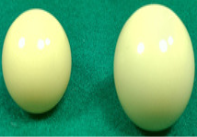 |
| 마커 (Win Marker) |  |
| 휠 (Wheel) | 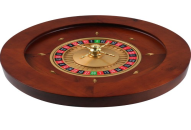 |
| 플레이칩스 (Play Chips) | 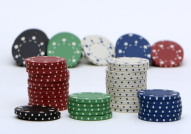 |
| 종 (Bell) | 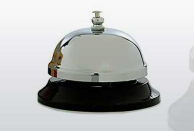 |
☑️ 볼(Ball): 룰렛게임에서 당첨번호를 정하기 위해 볼을 회전시킬 때 사용하는 기구로 상아나 플라스틱 같은 고탄력의 재질로 만든 기구
☑️ 마커(Win Marker): 볼이 떨어져되어 당첨번호가 정해지면 레이아웃 해당 번호위에 마커를 올려놓고 당첨번호를 표시한다
☑️ 휠(Wheel): 37~38개의 번호가 동일한 간격으로 나누어져 있고 볼이 낙착되어 당첨번호를 결정지어 주는 기구
☑️ 플레이칩스(Play Chips): 금액이 적혀져 있지 않으며 칩스 색깔로 고객 간 구분 할 수 있도록 제작 된 칩스. 고객이 게임을 종료하고 테이블을 빠져 나갈 때 머니 칩스로 교환해야 함
☑️ 종(Bell): 고객에게 베팅시간 종료를 알리는 기구
룰렛 테이블 레이아웃
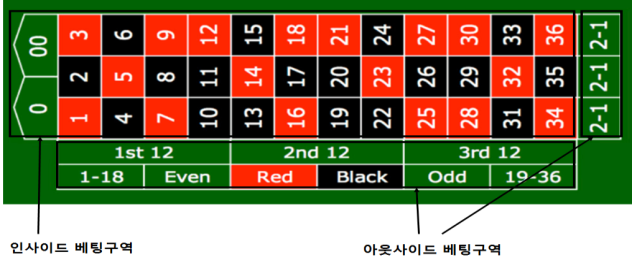
※ 인사이드 베팅 구역은 플레이 칩스로만 베팅 할 수 있기 때문에 게임 참여 가능 인원이 한정되어 있으며, 아웃사이드 베팅구역은 인원제한 없이 게임 참여 가능.
룰렛 테이블 종류
| 구분 | 싱글제로 룰렛 (0) | 더블제로 룰렛 (0, 00) |
| 하우스 어드밴티지 | 스트레이트벳 당첨 확률 1/37 | 스트레이트벳 당첨 확률 1/38 |
| 특징 | 유럽 카지노 방식 4 Number Bet (Line) | 아메리카 카지노 방식 국내 대부분 카지노 채택 5 Number Bet (Line) |
| 테이블 레이아웃 | 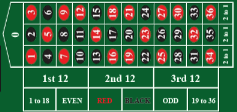 | 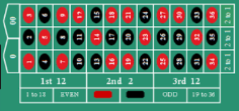 |
| 룰렛 휠 | 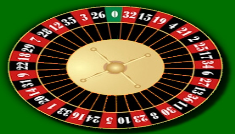 | 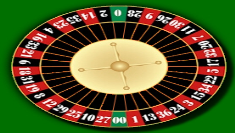 |
4.3.3 배당
인사이드 베팅 배당
☑️ Straight Bet (Single Number Bet): 35배
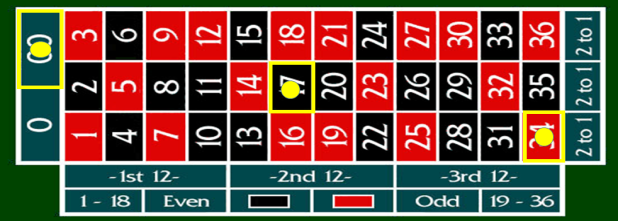
☑️ Split Bet (Two Number Bet): 17배
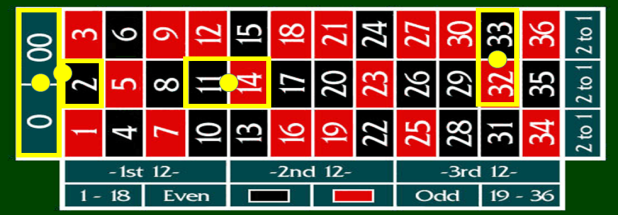
☑️ Street Bet (Three Number Bet): 11배

☑️ Square Bet (Four Number Bet): 8배
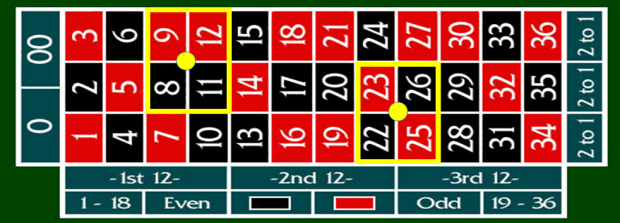
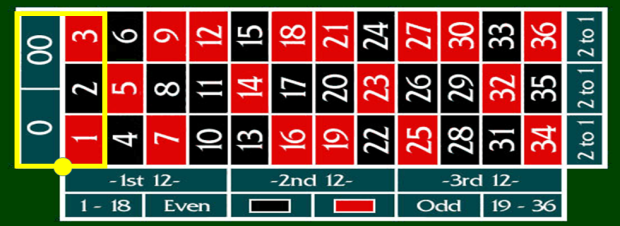
☑️ Five Number Bet: 6배
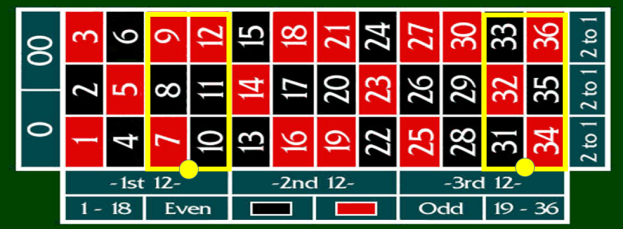
☑️ Six Number Bet (Line Bet): 5배
아웃사이드 베팅 배당
☑️ Column Bet: 2배
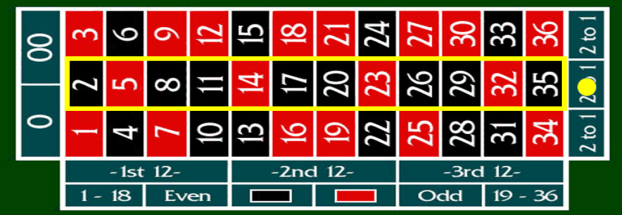
☑️ Dozen Bet: 2배
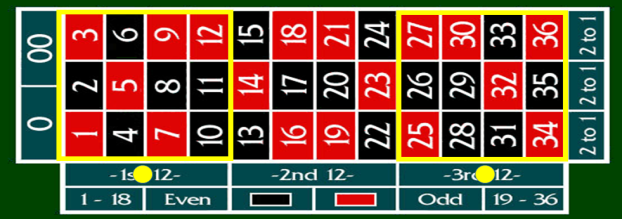
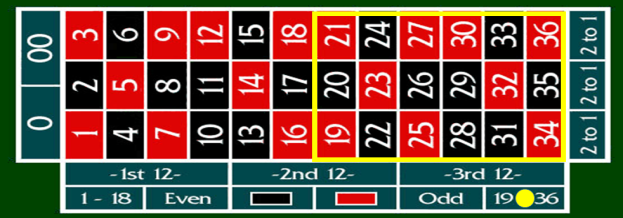
☑️ High/Low Bet: 1배
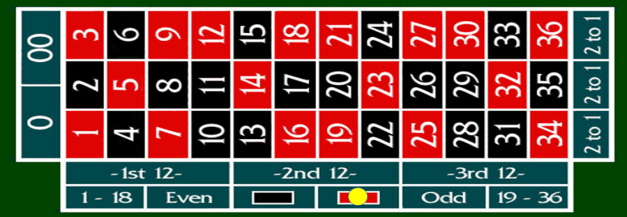
☑️ Red/Black Bet: 1배
4.3.4 인사이드 베팅 패턴
룰렛게임의 특성상 많은 양의 칩스가 당첨된 번호 주위에 베팅되어 있는 상황이 많은데 딜러는 고객에게 빠르게 배당금을 지급해 주기 위하여 자주 나오는 패턴을 암기하여 배당금을 지급합니다.
| 25 |  |
| 33 |  |
| 51 |  |
| 52 |  |
| 60 |  |
| 67 |  |
| 69 | 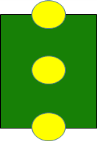 |
| 77 |  |
| 86 |  |
| 100 | 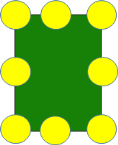 |
| 101 |  |
| 102 | 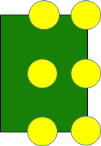 |
| 135 | 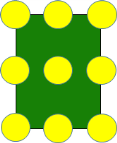 |
4.4 블랙잭
플레이어가 카드를 21점이 초과되지 않고 가깝게 만드는 게임으로 21게임이라고도 불립니다. 플레이어가 처음 딜링된 2장의 카드가 ‘에이스’와 ‘10가치’의 카드로 구성된 핸드로 ‘스냅퍼’라고도 불리우며, 이는 프랑스의 ‘vingt-et-un’을 미국식 버전에 대한 명칭입니다.
4.4.1 기본규칙
플레이어들이 가장 선호하는 카지노 게임의 하나로, 21 또는 21에 가까운 숫자를 만들어 딜러가 갖고 있는 카드의 합 보다 높으면 이기는 게임입니다.
플레이어에게 드로잉 된 최초 카드 2장(Initial two cards)의 합에 따라 추가 카드를 받거나(Hit) 받지 않을 수 있으며 (Stay), 딜러보다 불리하다고 판단되면 베팅 금액의 절반을 포기하는 조건으로 게임을 종료할 수 있습니다. 이때 Hit, Stay, Surrender는 반드시 정해진 핸드 시그널로 표시하며 딜러에게 알려줘야합니다.
딜러는 처음 두 카드가 16 이하일 때, 17이상이 될 때까지 카드를 받아야 하며, 딜러와 플레이어 모두 21을 초과하면 게임에서 지게 됩니다. 이를 버스트(Bust)라고 합니다.
플레이어(고객)가 버스트하게 되면 게임은 자동으로 종료가 되며, 딜러가 버스트하게 되는 경우에는 버스트를 하지 않은 플레이어가 이기게 됩니다. 플레이어들의 카드와 비교하여, 딜러보다 높은 카드의 베팅 금액은 지급하고, 딜러보다 낮은 카드의 베팅 금액은 수거하며, 딜러와 플레이어의 카드가 같을 경우 비기게 되어 카드의 지급, 수거 없이 게임이 종료됩니다.
이니셜 투 카드 (최초 2장의 카드)의 조합이『A + any 10(10,J,Q,K)』으로, 총합이 ’21’ 인 경우가 가장 높은 카드이며, 이를 블랙잭이라 합니다. 플레이어가 블랙잭일 경우 하우스가 1.5배를 지급하며, 딜러와 플레이어 모두 블랙잭일 경우 비기게 되며, 딜러가 블랙잭일 경우에는 딜러가 이기게 됩니다.
카드의 가치
☑️ 10, J, Q, K = 10
☑️ A = 1 또는 11
☑️ 그 외에는 숫자 그대로 (2, 3, 4, 5, 6, 7, 8, 9)
4.4.2 핸드시그널 (수신호)
블랙잭 게임은 오직 플레이어의 핸드시그널로 진행됩니다.
Hit
카드를 추가로 받고자 할 때, Hit이라고 하면서 테이블을 손바닥으로 가볍게 두드리거나 긁으면 됩니다.
Stay
추가로 카드를 받고 싶지 않을 때, Stay라고 하면서 손등이 보이도록 손을 펴서 좌우로 흔들면 됩니다.
Surrender
플레이어가 딜러보다 불리하다고 판단되어 게임을 포기하고자 할 때, Surrender라고 말하면서 테이블위에서 검지 손가락을 좌우로 흔들어주면 됩니다.
4.4.3 블랙잭 게임옵션
더블 다운(Double Down)
☑️ 더블 다운은 이니셜 투 카드를 받은 상태에서 단 1장의 추가 카드를 받는 조건으로 오리지널 베팅 금액만큼 또는 그 이하를 추가 베팅하는 옵션을 말합니다.
☑️ 더블 다운은 플레이어의 위닝 가능성이 높다고 판단되는 경우 선택하는 플레이어 옵션으로 딜러가 Hit, Stay 의사를 물을 때, 더블 다운 또는 더블이라고 하면서, 추가 베팅하고자 하는 금액을 주면 됩니다.
스플릿(Split)
☑️ 스플릿은 최초 두개의 카드가 동일한 값의 카드로 구성된 경우에, 이 두 장의 카드를 별도의 2개의 핸드로 나누어 게임에 참여하는 분리 옵션 방식을 말합니다.
☑️ 딜러가 Hit, Stay의사를 물을 때, 스플릿이라고 하면서, 오리지널 베팅과 동일한 금액을 베팅하면 됩니다. 스플릿은 총 3회, 4핸드까지 가능합니다.
☑️ 10, J, Q, K는 동일한 값(10)으로 스플릿이 가능합니다.
☑️ 더블 다운이 오리지널 베팅 금액 이하의 베팅이 가능한데 비해, 스플릿은 오리지널 벳팅과 동일한 금액만 추가로 베팅해야 합니다.
☑️ ‘A’카드 스플릿 시 단 한 장의 카드만 추가되며, 추가 드로잉하는 카드는 보기 좋게 가로로 놓입니다. 스플릿 한 후 더블 다운이 가능합니다.
이븐 머니(Even Money)
☑️ ‘이븐 머니’는 플레이어가 블랙잭이나, 딜러가 쇼잉한 카드가 ‘A’를 나타내고 있어서 딜러 역시 블랙잭이 될 가능성이 높을 경우. 딜러가 블랙잭(21)이 되어 무승부가 되는 경우를 사전에 피하기 위해, 딜러가 카드 오픈 전 ‘Even pay’를 받고 승부를 미리 끝내는 옵션입니다.
☑️ 딜러가 ‘A’ 카드를 쇼잉한 상태에서 블랙잭을 가진 플레이어에게 ‘이븐 머니’ 의사를 물을 때, 플레이어가 ‘이븐 머니’라고 하시면 1배를 주고 승부를 끝냅니다.
☑️ 플레이어가 이븐 머니를 선택하지 않았을 때 딜러가 블랙잭이면 무승부, 딜러가 블랙잭이 아닐 경우는 1.5배 페이(Blackjack 페이) 합니다.
인슈어런스(Insurance)
☑️ 인슈어런스는 딜러의 쇼잉 카드가 ‘A’가 되어 딜러가 블랙잭이 될 확률이 높을 경우. 딜러가 블랙잭이면 플레이어가 무조건 루징하게 되므로 이를 대비하기 위해 별도의 베팅(오리지널 벳의 1/2이하 한도)을 하는 것을 말합니다.
☑️ 딜러의 카드가 ‘A’를 나타내는 상황에서 플레이어들에게 인슈어런스 의사를 물을 때, 인슈어런스 베팅을 하고자 하는 플레이어는 자신의 오리지널 베팅 금액의 절반까지 베팅하실 수 있습니다.
☑️ 딜러가 블랙잭인 경우: 별도의 인슈어런스 벳이 없는 베팅은 모두 루징(손실) 처리하며, 인슈어런스 벳이 있는 베팅의 경우, 오리지널 벳은 루징(손실)되나, 인슈어런스 벳은 위닝한 경우가 되므로, 플레이어는 인슈어런스 베팅의 두 배의 금액을 받습니다. 즉 오리지널 베팅 금액을 되돌려 받습니다.
☑️ 딜러가 블랙잭이 아닌 경우: 인슈어런스 베팅만 루징(손실) 처리되어 딜러가 가져가고, ‘이븐 머니’를 받지 않은 블랙잭 핸드가 있는 경우, 블랙잭 페이를 하고 난 후 정상적으로 게임을 진행합니다.
페어 벳(Pair bet)
☑️ 최초 드로잉 된 2장의 카드가 같은 가치를 갖는 경우(One Pair) , 페어벳 베팅을 한 고객에게 11배를 지급합니다.
☑️ 게임참가 중인 다른 플레이어가 베팅하지 않은 금액만큼 추가 베팅이 가능합니다.
☑️ ‘10–J’, ‘J–K’, ‘Q–K’ 와 같은 카드의 경우 가치는 ‘0’으로 같지만 Pair가 아니기 때문에 인정되지 않습니다.
4.5 포커
확률, 심리전, 전략이 복합다각적으로 적용되는 게임으로 포커는 세계적으로도 브레인 스포츠라 불리우며 인기를 끌고 있는 게임이다. 플레이어들이 카드의 조합을 만들어 승부를 겨루는 게임입니다.
1덱 즉 52장의 카드로 게임을 하며 카드 숫자는 2부터 10, J, Q, K, A까지로 이중 A는 가장 높은 숫자로 취급합니다.
4.6 슬롯 머신
온라인 카지노 사이트와 오프라인 카지노에서 슬롯머신 게임은 테이블 게임과는 달리 복잡한 규칙 없이 누구나 쉽게 즐길 수 있으며 각각의 게임마다 다양하고 화려한 테마를 갖고 있는 대중적인 게임 중 하나로 빠른 진행과 간단한 규칙 그리고 다양한 이벤트 및 잭팟 등 카지노의 매력을 극대화시키는 카지노의 꽃으로도 불립니다.
4.6.1 클래식 슬롯 (Classic Slots)
☑️ 구성: 3개의 릴과 단순한 심볼 구조로 이루어진 슬롯입니다.
☑️ 특징: 전통적인 슬롯 머신의 느낌을 유지하며, 복잡한 규칙이 없어 초보자도 쉽게 플레이할 수 있습니다.
☑️ 예시: 과일, 7, BAR 등의 심볼이 등장하는 게임
4.6.2 비디오 슬롯 (Video Slots)
☑️ 구성: 5개 이상의 릴과 다양한 페이라인을 가진 슬롯 게임입니다.
☑️ 특징: 다양한 테마와 스토리, 화려한 그래픽을 기반으로 디자인되었으며 프리 스핀, 보너스 라운드 등의 기능이 포함되어 있습니다.
☑️ 예시: 판타지, 역사, 영화 테마
4.6.3 프로그레시브 슬롯 (Progressive Slots)
☑️ 구성: 베팅 금액의 일부가 누적되어 잭팟으로 쌓이는 방식입니다.
☑️ 특징: 여러 플레이어의 베팅이 누적되기 때문에 잭팟 당첨 시 엄청난 금액을 획득할 수 있습니다.
☑️ 주의 사항: 최소 베팅 금액을 충족해야 잭팟 기회가 주어질 수 있습니다.
☑️ 예시: Mega Moolah, Wheel of Fortune, Major Millions
4.6.4 RTP(환수율) 이해하기
환수율 즉, RTP(Return To Player)는 슬롯 게임에서 플레이어에게 돌아가는 금액의 비율을 의미합니다. 예를 들어, RTP가 92%인 게임은 플레이어가 총 베팅한 금액 중 평균적으로 92%를 플레이어에게 반환하고, 나머지 8%는 카지노가 수익으로 가져가게 됩니다.
5. 카지노 게임 전략
5.1 라이브 카지노 전략
라이브 카지노는 다른 플레이어와 또는 실제 딜러와의 커뮤니케이션이 실시간으로 가능해 게임에서의 몰입도를 높이면서 긴장감도 높일 수 있습니다. 이런 부분을 전략적으로 잘 활용해 다른 플레이어나 딜러로와의 커뮤니케이션을 통한 분위기 파악, 반응 파악, 게임정보 교환 등 실제 오프라인 카지노에서 하듯 전략적으로 심리적 우위를 점하면서 게임을 할 수 있습니다.
온라인 라이브 카지노 게임에서는 심리전과 베팅 타이밍을 어떻게 세우고 감정의 흔들림 없이 실행하느냐가 게임의 승패를 결정합니다. 따라서 플레이어 및 딜러의 심리 상태, 딜링 패턴, 베팅 패턴을 파악하면서 베팅을 하면 유리하게 게임을 할 수가 있습니다.
5.2 테이블 게임 전략
게임 규칙을 숙지하고 베팅 전략을 세우면 승률을 높일 수 있습니다.
5.2.1 바카라 전략
바카라는 심플한 규칙과 빠른 게임 진행이 특징입니다. 승리 확률이 상대적으로 높아 전략을 잘 세우면 게임 수익을 극대화하면서 즐겁게 게임을 할 수 있습니다.
베팅 선택
- 뱅커(Banker) 베팅: 통계적으로 뱅커의 승리 확률이 약 51%로 플레이어 보다 상대적으로 높기 때문에, 뱅커에 지속적으로 베팅하는 것이 승리 확률을 높이는 방법중 하나입니다. 단, 뱅커 베팅 시 5%의 수수료가 적용될 수 있다는 점은 유의하시기 바랍니다.
- 플레이어(Player) 베팅: 수수료가 없는 장점이 있지만 뱅커에 비해 승률이 조금 낮은 점은 리스크로 볼 수도 있습니다.
- 타이(Tie) 베팅 지양: 배당률이 8:1 또는 9:1 로 비교적 높지만, 당첨 확률이 매우 낮아 지속적으로 베팅 시 장기적으로 손실을 초래할 수 있습니다.
베팅 전략
☑️ 시스템 베팅: 마틴게일 전략으로도 불리며 게임 중 손실이 발생할 때마다 베팅 금액을 두 배로 늘리면서 게임에서 이길 경우 이전 손실을 한 번에 만회하는 전략입니다. 단, 연속 손실발생할 수도 있다는 점 유의하시기 바랍니다. 이 전략의 경우 시드머니가 충분할 경우 승리 확률이 놓을 수 있습니다.
5.2.2 룰렛 전략
운에 크게 의존하는 게임으로 몇 가지 전략을 통해 손실 리스크를 최소화하고 게임수익을 극대화할 수 있습니다.
베팅 유형 선택
- 내부 베팅: 숫자에 직접 베팅하는 방식, 승률은 낮지만 배당은 높은 점이 장점입니다.
- 외부 베팅: 빨강/검정, 홀수/짝수, 낮은 수(1-18)/높은 수(19-36) 등에 베팅을 할 수 있습니다. 가장 낮은 배당(1:1)이지만 안정적인 승률을 제공합니다.
전략적 베팅 방법
- 시스템 베팅 전략: 바카라와 유사하게 마텐게일(시스템) 베팅 전략이 외부 베팅(빨강/검정 등)에 적용되며, 손실 시 베팅 금액을 두 배로 늘리는 방식입니다.
- 피보나치 전략: 베팅 금액을 피보나치 수열(1-1-2-3-5-8…)에 따라 늘려가는 전략입니다. 리스크를 줄이면서 손실을 만회할 수 있다는 장점이 있습니다.
- 홀짝 시스템: 연속해서 특정 색이나 숫자가 나오는 경우가 드물다는 점을 이용해 베팅하는 방식입니다.
5.2.3 블랙잭 전략
블랙잭은 포커와 비슷하게 전략적 사고방식을 갖고 참여해야 하는 게임입니다.
기본 전략 표 참고
- 전략 표: 플레이어의 카드와 딜러의 오픈 카드에 따라 어떤 결정을 내려야 할지 보여주는 표입니다.
- 16 이하: 대부분 히트(Hit)
- 17 이상: 스탠드(Stand)
- 에이스가 있는 경우: 소프트 핸드 전략 적용
배팅 전략
- 카드 카운팅: 남은 카드의 비율을 계산해 유리한 상황에 MAX 베팅 금액을 하는 전략입니다. 다만, 6덱 또는 8덱처럼 카드의 수가 많을 경우 카드 카운팅이 어려울 수 있습니다. 일부 카지노에서는 카드 카운팅을 금지하는 경우가 많습니다.
- 더블 다운(Double Down): 확률적으로 승리할 가능성이 높은 상황에서 가지치기로 베팅액을 두 배로 늘리는 전략입니다.
예시: 플레이어의 카드 합계가 11인 경우 더블 다운
5.2.4 포커 전략
포커는 기술과 심리전이 결합된 게임으로, 상대의 패턴을 읽고 전략적으로 베팅해야 합니다.
핸드 선택과 관리
- 시작 핸드 전략: 좋은 카드(예: A-A, K-K, Q-Q)를 중심으로 플레이하며 약한 카드(예: 2-7, 3-8)는 될 수 있으면 빠르게 포기하는 것이 유리합니다.
- 포지션 활용: 포커에서는 포지션 즉 베팅 순서가 매우 중요합니다. 후반 순서일수록 상대의 행동을 보고 전략을 조정할 수 있기 때문입니다.
심리전과 블러핑
- 블러핑: 약한 핸드를 가지고도 상대를 속여 높은 베팅을 이끌어내는 전략이나 무리한 블러핑은 손실을 초래할 수 있다는 점을 유념해 상황판단을 잘해야 합니다.
- 상대의 패턴 분석: 상대 플레이어의 베팅 습관과 패턴을 분석하면 상대의 핸드를 예측할 수 있습니다.
베팅 타이밍과 금액 조절
☑️ 확률 기반 베팅: 확률적으로 승리 낮을 때는 조심스럽게 플레이하고 가능성이 높을 때 베팅을 늘립니다.
5.3 슬롯 머신 전략
슬롯 머신은 보통 운에 의존한다고 하지만, 플레이어에게 지급되는 RTP(배당률)이 높은 슬롯게임을 선택하여 게임하면 장기적으로 이익을 극대화할 수 있습니다. 따라서 온라인 카지노 사이트에서 RTP가 높은 게임을 선택하여 게임을 지속적으로 하는 것이 중요합니다. 또한, 적절한 베팅 전략과 이벤트 및 보너스를 전략적으로 잘 활용하면 플레이어는 손실을 줄이고 더 큰 수익을 기대할 수 있습니다.
슬롯 머신은 랜덤 결과를 기반으로 하지만, 전략을 잘 세우면 게임 수익을 극대화하면서 즐겁게 게임할 수 있습니다.
예산 설정
- 소액 베팅: 처음 게임 시 소액으로 시작해 게임의 전반적인 흐름을 파악하는 것이 중요합니다. 한 번에 큰 금액을 베팅하는 것은 리스크를 증가시키는 행위로 지양해야 합니다.
- MAX 베팅: 일부 슬롯 게임은 MAX 베팅을 해야 잭팟이나 보너스를 받을 수 있는 확률이 높아지는 게임이 있습니다. 정해진 예산 범위에서 MAX 베팅을 적절하게 사용하는 수익을 극대화할 수 있는 방법이기도 합니다.
시간과 예산 분배
모든 카지노 게임은 하우스의 WIN 확률이 높기 때문에 장기적으로 게임을 할수록 손실 가능성이 커질 수 있습니다. 이런 점은 온라인 카지노도 마찬가지입니다. 따라서 시간과 예산 사전에 잘 설정해서 자기절제를 하고 과도한 몰입을 통한 손실을 방지하는 것이 매우 중요합니다.
보너스 활용 방법
슬롯 게임에서 제공하는 다양한 보너스는 플레이어의 게임 수익을 극대화하고 게임을 즐겁게 만드는 중요한 요소 중 하나입니다. 온라인 카지노는 대부분 신규 가입자들에게 청 디파짓에 따른 웰컴 보너스를 지급하고 있으며 프리 스핀도 이벤트성 또는 보너스로 제공하고 있습니다. 또한 캐쉬백 보너스 형태도 있기 때문에 이를 잘 활용하면 손실을 최소화하고 이익을 극대화하는데 도움이 될 것입니다.
6. 보너스와 이벤트 이해하기
온라인 카지노에서 다양한 이벤트와 보너스를 제공하여 플레이어를 유치합니다. 이런 프로모션을 잘 이해하고 활용하면 더 큰 수익을 얻으면서 즐겁에 게임을 할 수 있습니다.
6.1 신규 가입자 보너스
대부분의 온라인 카지노 사이트에서는 적극적인 고객유치를 위해 신규 가입자에게 웰컴 보너스를 제공합니다.
온라인 카지노 사이트에 최초 가입하고 처음 디파짓을 한 플레이어에게 제공되는 웰컴 보너스 및 무료 스핀 기회 등이 있습니다. 온라인 카지노 사이트별로 상이합니다.
- 보너스 조건: 보너스 수령 시 최초 계약한 롤링의 조건을 확인하세요.
- 보너스 한도: 최대 보너스 지급 한도가 정해져 있으므로 이를 확인하세요.
- 무료 스핀: 무료 스핀을 사용해 다양한 슬롯을 경험하고 추가 수익을 얻을 수 있는 기회가 있습니다.
6.2 재충전 보너스 및 캐시백, VIP 혜택
정기적으로 보너스 혜택을 잘 활용하면 추가적인 수익의 극대화를 얻을 수 있습니다.
- 충전 보너스
기존 플레이어가 추가로 디파짓을 할 때마다 플레이어의 맴버쉽 어카운트에 제공되는 보너스입니다. - 캐시백 보너스
계약게임중 손실금의 일정 비율을 돌려주는 보너스입니다. 예를 들어, “손실 금액의 15% 캐시백”이 제공됩니다. - VIP 혜택
하이롤러(고액 베팅 플레이어)나 단골 고객에게 제공되는 베네핏입니다. - 베네핏 종류
일반 플레이어들보다 높은 캐시백 및 충전 보너스
전담 매니저와 빠른 입출금 처리
6.3 롤링 조건을 활용한 전략적 베팅
통상적으로 카지노에서 사용되는 칩스는 크게 두가지로 나눠집니다. 첫째 live chips, Cash Chips, Negotiable Chips로 통용되는 칩스는 칩스에 표시되어진 금액만큼의 가치를 가지고 있으며 테이블에서 베팅을 할 수 있고 케쉬어를 통해 현금으로 교환할 수 있습니다.
반면에 Dead Chips, Rolling Chips, Non-negotiable Chips로 불리는 칩스는 칩스에 표시되어진 금액만큼의 가치를 가지고 베팅용으로만 사용이 가능하고 현금화를 할 수 없는 칩스를 의미합니다.
롤링은 데드칩스로 행해지는 게임에서 데드칩스의 회전(Turn Over)을 의미합니다. 롤링게임에서 베팅은 데드칩스로만 행해지고 이길 경우 카지노는 이긴 금액을 Live Chips로 페이하고 질 경우에는 데드칩스를 가져갑니다. 이런 과정이 반복적으로 일어나서 총 누적된 롤링 금액은 최초 롤링 프로그램 계약 시 명시된 구간별 총롤링 커미션률(%) 만큼 받게됨을 의미합니다. 이는 온라인 카지노도 마찬가지입니다.
따라서 다음과 같은 전략적인 방법을 고려하여 게임을 하면 수익을 극대화할 수 있습니다.
- 소액 베팅으로 장시간 플레이
리스크를 최소화하면서 안정적으로 총 롤링 금액을 늘려가면서 커미션액을 늘려가는 방식입니다. - RTP(환수율)가 높은 게임 선택
RTP가 높은 테이블 게임이나 슬롯 게임을 플레이하면 롤링 조건을 빠르게 채울 수 있습니다.
6.4 정기 이벤트 및 돌발 이벤트
온라인 카지노 사이트는 오프라인 카지노처럼 고객개발 및 유치를 위해 정기적인 이벤트와 돌발 이벤트를 진행함으로써 고객이 추가 보상을 받을 수 있도록 하고 있습니다.
정기 이벤트는 카지노가 규칙적으로 진행하는 이벤트로 특정 일시에 진행됩니다.
예시:
매주 토요일 저녁 7시 1억 드롭 시 드롭 보너스 30%제공
크리스마스 시즌 캐시백 이벤트
돌발 이벤트
사전에 예고 없이 진행되는 기간 한정 이벤트로, 추가 보너스 포인트 제공 및 무료 스핀을 제공합니다.
카지노 사이트에서 오는 홍보성 이메일이나 문자 광고를 통해 이벤트 정보를 확인하고 이벤트에 참여하면 다양한 베네핏을 받을 수 있습니다.
7. 책임감 있는 도박 문화 조성하기
책임감 있는 게임을 위해 개인 스스로 자제를 할 수 있도록 셀프 제한 설정을 할 필요가 있습니다. 도박중독을 방지하기 위해 다음과 같은 가이드라인을 설정하는 것이 좋습니다.
- 적절한 예산 설정: 게임을 위해 사용할 금액을 사전에 정합니다.
- 엄격한 시간 제한: 게임 시간 제한을 통해 과도한 플레이를 방지합니다.
- 감정 조절: 차분한 감정을 유지하면서 게임을 즐깁니다.
- 게임 목적: 게임은 엔터테인먼트를 위한 것임을 기억합니다.
- 입금 한도 설정: 카지노사이트에서 하루, 주간, 월간 입금액 한도를 설정하여 제한을 합니다.
- 자기 입장 제한: 게임 중독 문제가 심각하다고 판단되면 카지노 맴버쉽 어카운트을 정지하거나 영구 차단하도록 요청할 수 있습니다.
- 도움 요청: 도박 중독 방지 센터에 도움을 요청할 수 있습니다.
결론
본 카지노 사이트에서 제공하는 정보를 통해 플레이어가 신뢰할 수 있는 카지노 사이트를 선택하고 전략적으로 판단해서 안전하게 온라인 카지노를 즐길 수 있도록 지원합니다.
효과적이고 안전하게 온라인 카지노를 즐기기 위해서는 카지노 사이트에서 제공하는 다양한 이벤트와 프로모션 그리고 보너스 등을 살펴보고 전략적으로 게임에 접근할 필요가 있으며 셀프 절제하는 습관을 통해 게임에 중독되지 않도록 습관을 유지하는 것이 중요합니다.
카지노 사이트에서 제공하는 다양한 베네핏을 잘 활용하고 계획적인 플레이를 통해 수익극대화와 즐거운 게임을 하시기 바랍니다.
자주 묻는 질문
슬롯 머신의 RTP는 무엇인가요?
RTP(Return To Player: 환수율)는 슬롯 머신에서 플레이어에게 반환되는 비율입니다. RTP가 높을수록 플레이어가 돈을 받을 수 있는 확률이 높아진다는 의미입니다.
라이브 카지노와 일반 온라인 카지노 게임의 차이점은 무엇인가요?
라이브 카지노는 실제 딜러와 함께 실시간으로 진행되는 게임으로 현장감과 소셜 상호작용이 특징입니다. 반면, 일반 온라인 카지노 사이트의 게임은 RNG(난수 생성기)를 기반으로 자동으로 진행됩니다.
바카라에서 승률을 높이는 전략이 있을까요?
통계적으로 뱅커 베팅할 때의 승률이 약 51%로 플레이어 베팅보다 조금 더 높기 때문에 바카라에서 가장 효율적인 전략은 뱅커(Banker) 베팅을 지속적으로 하는 것입니다.
카지노 사이트의 VIP맴버쉽 리워드 프로그램이란 무엇이며 혜택은 무엇인가요?
VIP 맴버쉽 리워드 프로그램은 지속적으로 카지노 사이트를 이용하는 고액 플레이어들을 위한 특별한 베네핏 프로그램입니다. 주요 혜택은 다음과 같습니다.
– 높은 캐시백 비율
– 콤프
– 전용 게임 테이블 제공
– 24/7 실시간 VIP 전담 고객 상담 서비스
– 빠른 입출금 서비스
– 전담 매니저
도박 중독을 예방하는 방법에는 어떤 것들이 있나요?
도박 중독을 예방하기 위해 다음과 같은 방법을 활용하세요.
– 입금 및 베팅 한도 설정, 온라인 카지노 셀프 접속 제한 설정
– 게임 시간 제한 설정을 통해 과도한 게임 방지
– 도박은 엔터테인먼트임을 기억하며 게임
사기 사이트를 피하기위해서 조심해야 될 사항은 무엇인가요?
다음과 같은 사항들을 사전에 검토해야 됩니다.
– 정부기관으로부터 라이선스를 받아서 합법적으로 운영하고 있는지
– 과장된 이벤트나 보너스 지급이 과도한지
– 카지노 사이트의 도메인과 사이트명이 일치하는지 디자인이 일치하는지
– 먹튀 검증 등 사기 카지노 사이트 검증 커뮤니티 등에서 사용자 리뷰 및 평판 확인